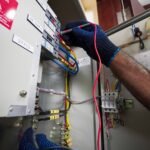

If an electrical outlet or socket is not working, it may not always be dangerous or serious, but it can be inconvenient, especially if you need to use it immediately.
Sudden or recurring outlet failures are something you shouldn’t ignore either. Such problems may indicate deeper electrical issues that could pose safety risks if left unresolved.
Infiway provides professional electrical maintenance and repair solutions backed by trained technicians with hands-on experience in diagnosing outlet and wiring faults. In this guide, we’ll explain the common reasons behind power outlets not working, the quick checks you can perform safely, and when it’s best to call a professional electrician.
Key Takeaways
- Most power outlet problems are caused by simple issues like tripped breakers, overloaded circuits, or faulty devices that can often be identified with a few quick checks.
- Warning signs such as sparks, buzzing sounds, burning smells, or warm outlets should never be ignored, as they may indicate serious electrical hazards.
- Regularly overloading outlets and circuits can damage your home’s electrical system over time and increase the risk of fires or power failures.
- If resetting the breaker or testing another device does not solve the issue, contact a licensed electrician for proper inspection and repair.
Table of Contents
Why Your Electrical Sockets Are Not Working
Let’s take a look at the top causes of faulty plug sockets and possible solutions you can safely try:
1. Tripped Circuit Breaker
One of the most common reasons why an electric socket is not working is a tripped breaker in the electrical panel. This often happens when a circuit becomes overloaded or shorts.
The circuit breaker is an automatic safety switch located in your home’s or commercial building’s main electrical panel that monitors electricity flow to sockets and protects wiring from overheating and fire. It does so by tripping or cutting power if it detects an overloaded circuit.
You can trip the circuit breaker by plugging too many devices and appliances into the same circuit.
Other causes of a tripped circuit breaker include short circuits and ground fault surges.
Recommended solutions
If you suspect the reason behind a plug socket not working is a tripped circuit breaker, open the breaker panel. Look for the tripped breaker, which is the switch between on and off, and reset it by flipping it to off, then back on.
If your circuit breaker frequently trips and you live in an old house or villa, you may need to upgrade the electrical panel to increase the capacity of your circuits to handle your home’s electrical load.
When to call an electrical technician
Seek a trusted provider of electrical services in Dubai if you need to upgrade the amperage in your home or building. You also require professional assistance if the breaker keeps tripping, even after upgrading the amperage or avoiding plugging multiple appliances and devices into a single outlet. You may be dealing with a more complex problem, as this is typically a sign of faulty wiring.
2. Overloaded Circuit
If your sockets stopped working, you may have plugged too many high-power appliances and devices into the same circuit, overloading the circuit.
When this happens, outlets may stop working temporarily to prevent overheating or electrical damage.
This issue tends to happen more often in older homes or buildings with outdated electrical panels and wiring.
Recommended solution
If the electrical socket is not working, unplug a few appliances and devices and reset the circuit breaker. Use different circuits for high-powered electronics to avoid future problems.
When to call an electrical technician
Call a licensed electrical technician if the problem persists, and you suspect your electrical panels and wiring need updating.
3. Loose or Damaged Wiring
Wires behind outlets can shift or be damaged due to heat, aging electrical systems, pest problems, or poor installation. Electric sockets not working are common signs of this issue.
You might also notice warning signs such as flickering lights, buzzing sounds, warm outlet covers, or a burning smell near the socket.
Ignoring wiring problems can increase the risk of electrical shock or even fire. It is not always easy to identify this issue without a proper inspection, as it is hidden behind the wall.
Recommended solution
Unplug all devices connected to the socket and check your breaker panel for any tripped circuits. Avoid opening the outlet unless you have prior experience and know the steps.
When to call an electrical technician
Contact an electrician if the outlet feels hot and produces sparks. You also need immediate help if you notice that all the sockets in the house are not working or if you repeatedly lose power. They can inspect the wiring and repair damaged connections to
prevent fire and other electrical accidents.
4. Tripped GFCI Outlet
Most modern homes and buildings have ground fault circuit interrupter (GFCI) outlets, which feature built-in circuit breakers that shut off power when they detect moisture or an irregular current flow.
They are typically installed in spaces with a high risk of moisture, such as kitchens, bathrooms, and garages.
A wall socket not working may be caused by a tripped GFCI outlet. It can also sometimes affect several nearby outlets.
Recommended solution
Look for the reset button on the GFCI outlet and press it. This usually fixes plug sockets not working in bathrooms, kitchens, and other spaces with plumbing.
When to call an electrical technician
Schedule a professional inspection if the GFCI outlets keep tripping, as this could indicate moisture problems or other issues. You may also need home renovation services in Dubai if the walls are affected by the inspection and repairs.
5. Faulty or Burnt Outlets
Electrical outlets can become worn out over time due to age, frequent use, overloaded circuits, or heat buildup inside the socket.
Scorch marks, a burning smell, sparks, discoloration, or plugs that no longer fit securely are signs of a faulty or burnt-out outlet.
In some cases, the outlet may still provide intermittent power before failing completely, which is why some sockets are not working but the lights are. Ignoring these warning signs can increase the chance of more serious electrical damage.
Recommended solution
Unplug all devices connected to the outlet and avoid using it until it has been inspected. Check your breaker panel to see if the circuit has tripped.
When to call an electrical technician
Have an electrician visit your home immediately if the outlet gives off a burnt smell, feels hot, or shows visible damage. They will replace the socket and inspect the wiring for additional issues. Home maintenance services in Dubai, which include regular inspections, can help you take the right steps to prevent this problem from worsening.
6. Damaged Appliances or Devices
In some instances, the outlet may not be the actual problem. A faulty appliance, charger, or extension cord connected to the socket may trip the circuit or prevent the outlet from functioning properly.
Faulty devices may also cause sparks, overheating, or unusual smells when plugged in. If one outlet stops working after using a specific device, the appliance itself could be the cause.
Recommended solution
Plug a different device into the outlet to check if it works normally. Also, inspect cords and plugs for visible damage, such as fraying or burn marks.
When to call an electrical technician
Have an electrician visit your home or premises for electrical outlet repair if the socket still does not work after testing other devices or if you notice repeated tripping, sparks, or signs of overheating.
Frequently Asked Questions
How do I fix a power socket that’s not working?
To fix a power socket that’s not working, start by checking your electrical panel for a tripped circuit breaker and resetting it if needed. If the socket is in a bathroom or kitchen, locate the nearest GFCI outlet and press the reset button. Unplug any recently added devices that may have overloaded the circuit.
If the socket feels hot, shows scorch marks, or keeps failing, contact Infiway for a licensed electrician and safe inspection and repair.
How do I reset an electric socket?
To reset an electrical socket, open the main electrical panel and look for any breaker sitting between the on and off positions, which indicates a trip. Flip it fully off, then back on. If the socket is GFCI-type, press the small reset button on the outlet face. If neither step restores power, the socket itself may need professional inspection.
How to reset a socket fuse?
In most modern homes and buildings, sockets are protected by circuit breakers rather than individual fuses. To reset, open the main electrical panel, locate the tripped breaker (the switch in the middle position), and flip it to off, then back on.
If your property uses an older fuse box, a blown fuse must be physically replaced rather than reset. An electrical technician can advise whether your fuse box needs to be upgraded to a modern breaker panel.
How to tell if a socket fuse is blown?
Signs of a blown socket fuse include a completely dead outlet with no power, a breaker switch stuck in the middle position, or, in older fuse boxes, a visibly damaged or discolored fuse wire. Other warning signs include flickering lights on the same circuit, a burning smell near the outlet, or scorch marks around the socket cover. If you notice any of these, avoid using the outlet until it has been inspected.
How to fix a blown fuse in a socket?
If your home uses a circuit breaker panel, reset the tripped breaker by flipping it fully off and then back on. In older properties with a fuse box, the blown fuse must be replaced with one of the correct amperage rating.
Never replace a fuse with a higher-rated one, as this removes an important safety protection. If the fuse blows repeatedly, contact a licensed electrician, as this typically indicates a wiring fault or overloaded circuit that needs professional attention.
Don’t Ignore the Warning Signs
What starts as a single dead outlet can sometimes reveal overloaded circuits, damaged wiring, or aging electrical components hidden behind the walls. Performing safety checks and recommended quick fixes are great first steps, but remember to call a licensed electrical technician if you’re dealing with recurring problems.
Contact us today for professional electrical outlet inspection and repair services.